
Did you know that a sensory room isn’t just a one-size-fits-all term for a sensory environment?
Sensory rooms come in all shapes and sizes and can be used to help people with a wide range of needs and abilities. From adventurous Soft Play Rooms, to out-of-this-world immersive rooms, and classic cosy sensory spaces.
Each sensory room type has a distinct personality, specially tailored to support a specific kind of sensory need.
And in this Sensory Room Guide, we’ll talk you through all the different sensory room types so that you can figure out which one might best suit you and your needs.

Multi-Sensory Rooms
The classic. Filled with all the sensory treats that you’ll need to create the perfect sensory environment.
Multi-sensory environments, traditionally known as Snoezelen rooms, are specially designed therapeutic spaces that soothe and stimulate senses in a controlled manner.
They offer a safe space for relaxation, exploration, independence, and social sessions. Fostering a sense of self-confidence, imagination, and positivity within users with special needs and disabilities.
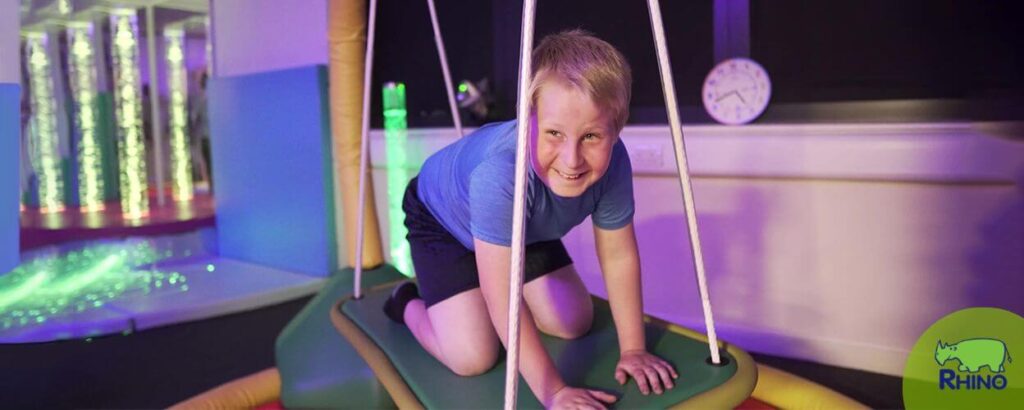
Multi-sensory rooms are modern beacons of inclusivity. Fun and calming, they’re the perfect mix of therapy, development and play.
Benefits of Multi-Sensory Rooms
- Stimulate and soothe all five senses: sight, sound, smell, touch, and taste.
- Build key developmental skills such as cause and effect, hand-eye coordination, and fine motor skills.
- Create a safe, calming environment that can reduce the likelihood of a meltdown or panic attack.
- Provide relaxation for all ages. You don’t have to be young to benefit from the stimulating visual and tactile benefits.
Typical Locations: Homes, Schools, Hospitals, Leisure Venues
Key Pieces of Equipment: Bubble Tube, Safety Padding, Calming Lighting
Case Study: Miriam Lord Primary School

Soft Play Rooms
Soft & Colourful. And the perfect kinda of safe space for kids to develop gross motor skills, let off steam, and have fun!
Soft Play Rooms are exciting, safe spaces for tumbling, rolling, climbing, bouncing, letting off steam, and having fun!
Soft padding and interesting obstacles, such as slides, swings, and steps, provide an explorative playground that’s perfect for developing gross motor skills and bodily awareness.
Benefits of Soft Play Rooms
- Safe spaces for users to have fun, let off steam, and explore how their bodies move.
- They’re great places for sensory exercise and developing gross motor skills.
- Soft Play rooms are adaptable and can also be used as community hubs for local parent and disability groups.
Typical Locations: Schools, Leisure Venues
Key Pieces of Equipment: Safety Padding, Vibrating Bumpers, Activity Sets
Case Study: Jake’s Sensory World

De-Escalation/Calming Rooms
Safe & Calm. De-escalation rooms provide low levels of stimulation in a safe, padded environment. They’re perfect for cosy relaxation and preventing meltdowns.
De-escalation Rooms are a useful tool for helping individuals manage their own behaviour.
When they recognise their emotions rising, a user can ask to use the room to calm down, dramatically reducing the worry of a crisis situation. These special spaces are particularly helpful for people with autism, learning difficulties and mental illnesses.
Benefits of Calming Rooms
- Calming spaces are low-stimulation areas that are designed to help users rebalance their senses quickly and safely.
- They provide an independent space for users to manage their own behaviour.
- De-escalation Rooms effectively reduce the possibility of a crisis situation.
Typical locations: Schools, Health Care Settings
Key Pieces of Equipment: Safety Padding, Mood Lighting, Rocker Seat, LED Sky Ceiling
Case Study: The Beacon Centre
Explore De-Escalation/Calming Rooms

Sensory Integration Rooms
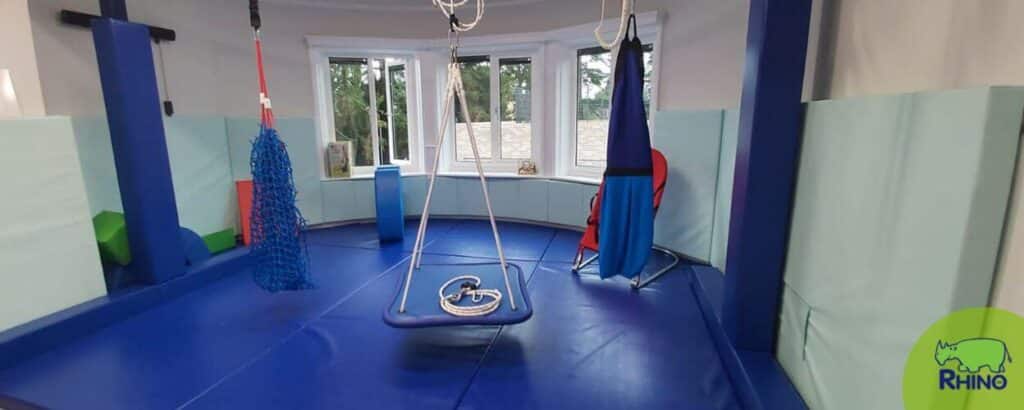
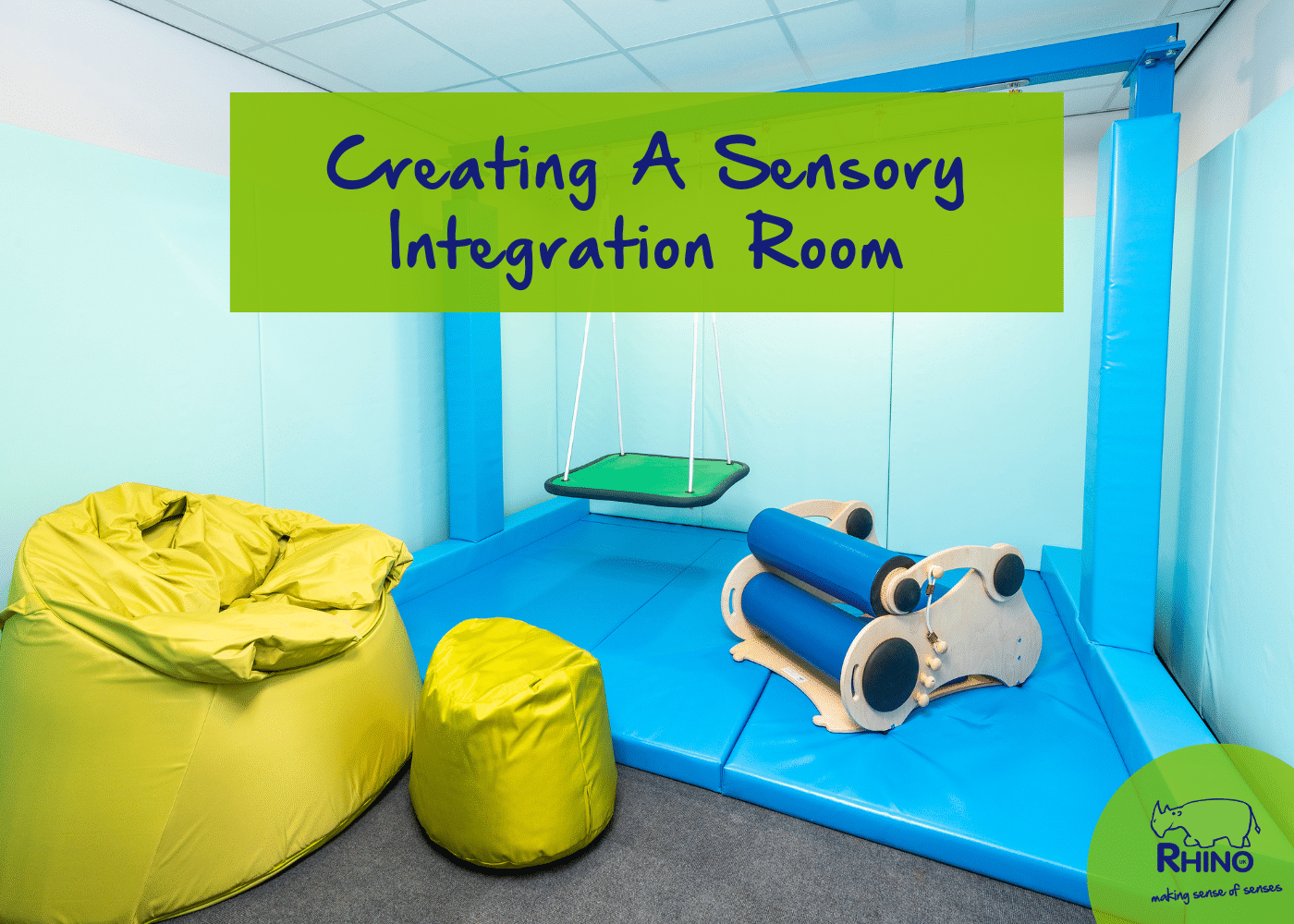
Therapeutic Therapy. Sensory Integration rooms are typically used by Occupational Therapists (OTs) to develop an individual’s vestibular and proprioceptive senses.
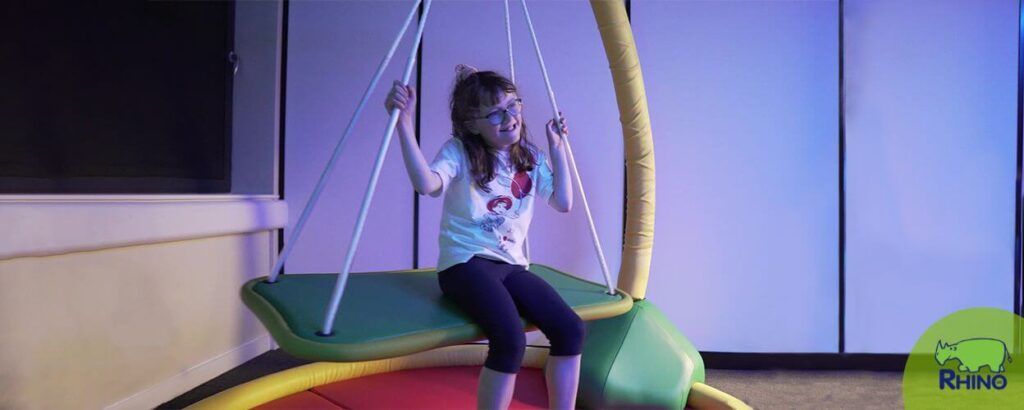
These technical rooms are filled with specialist equipment designed to develop users’ balance, mobility, and bodily awareness. Swings and suspension systems activate proprioceptive and vestibular senses. Diving deep into ball pools helps to stimulate proprioceptive and gross motor senses. While gentle movement on a rocker can steadily develop vestibular and gross motor skills.
Although they’re specialist spaces and should be used alongside a trained OT, the benefits of Sensory Integration can be experienced in a wide variety of settings, from special schools for personal therapy classes to hospital wards for physiotherapy treatments.
Benefits of Sensory Integration Rooms
- Specialist equipment can develop important vestibular and proprioceptive senses, which help with mobility and balance.
- Sensory integration rooms can be used by people with PMLD and disabilities to develop a greater sense of their own body.
- Becoming more attuned to their own body inspires users’ confidence and mobility skills.
Typical Locations: Schools, Occupational Therapy Centres.
Key Pieces of Equipment: C-Frame, Platform Swing, Squeeze Machine

Hydropools
Splash-tastic sensory fun. Dive into a uniquely stimulating environment that’s ideal for relaxing and developing senses.
Hydropools provide unique therapeutic experiences, using a variety of lighting and sound effects to create immersive environments that promote bodily awareness and development.
Hyrdopool environments are also incredibly calming. Alongside the stimulating lights and calming music, the suspended feeling of your body in the water makes you feel like you’re defying gravity.
Water lifts the weight and tension from muscles, allowing uninhibited movement; because of this, Hydrotherapy is particularly beneficial for people with PMLD and disabilities that affect movement.
Benefits of Hydropools
- Hydropools provide unique and therapeutic full-body stimulation, great for building proprioceptive and gross motor skills.
- Hydrotherapy helps to relax muscles and reduce pain, perfect for users with a disability or movement issues.
- If you already have a pool, it’s easy to transform it into an immersive sensory environment with the help of our friendly sensory team!
Typical Locations: Schools, Occupational Therapy Centres, Leisure Venues
Key Pieces of Equipment: Hydro-Solar 250 Projector, LED Wall Wash, Floating Switch

Sensory Bedrooms
Sweet sensory dreams. Turn your bedroom into a dream sensory paradise, perfect for relaxing and getting a good night’s sleep.
Without enough sleep, we can feel tired, irritable and pretty grumpy. 30% of children have trouble with their sleep, and those with Sensory Processing Disorders or Autism are even more likely to struggle to get to sleep.
Luckily, it’s easy to keep restless nights at bay by adding a sparkle of multisensory magic to your bedroom.
Project stars and galaxies onto the ceiling, fill the room with the relaxing aroma of lavender and cuddle up for story time in a cosy beanbag. Softly stimulate senses, and turn your bedroom into a relaxing, interactive sensory paradise.
Benefits of Sensory Bedrooms
- Create relaxing personal spaces, the perfect antidote to the overstimulating outside world.
- Aid sleep routines so the whole household can have a good night’s sleep.
- Inspire imaginations with dreamy decorations and softly stimulating sensory products.
Typical Locations: Homes, Healthcare Settings
Key Pieces of Equipment: Mood Lighting, Solar Projector, Weighted Blanket

Immersive Rooms
Inspire, support and engage even the most reluctant children with our immersive reality rooms.
Immersive reality sensory rooms provide an alternative learning environment that immediately engages and stimulates anyone who walks through their doors.
Interactive technology instantly transforms any space into an immersive sensory experience. Mood lighting, wall and floor projections, music, and aromas will transport you from the deep blue sea to the outskirts of space. Taking you out of reality and into a deeply immersive sensory world.
Each space can be fully controlled by the user through their movements or via a handy app – allowing you to create a personalised space in seconds.
Immersive Reality Rooms Benefits
- Create an immersive sensory space in seconds, with stimulating lights, sounds, and smells.
- Immersive reality rooms work brilliantly in a wide range of settings, from modern inclusive classrooms to transformative interactive museum exhibits.
- Each space is inclusive of all needs and abilities.
Typical Locations: Schools, Leisure Venues
Key Pieces of Equipment: WonderWall, WonderFloor, Colour Controller Cube
Case Study: Kensington Queensmill School
Learn more about Immersive Rooms

Reminiscence Rooms
Filled with sensory memories. Reminiscence rooms act as therapeutic portals to the past. Comforting, relaxing and inspiring conversations for elderly people.
Reminiscence Rooms are spaces where someone living with dementia can experience and find comfort in nostalgia.
Surrounded by familiar furnishings and décor, comforting memories can emerge, helping users feel more like themselves.
Reminiscence resources can be used in a wide range of settings, from hospital wards to care homes and private residences.
Benefits of Reminiscence Rooms
- Encourage nostalgia and support life-story therapy.
- Support and comfort people with advanced dementia and Alzheimer’s.
- Create familiar social spaces that improve communication skills.
- Reminiscence rooms can act as safe spaces for users to relax, find calm, and softly stimulate their senses.
Typical Locations: Care Homes, Healthcare Settings
Key Pieces of Equipment: Solar 250 Projector, Sensit Chair, Reminiscence Resources
Case Study: Bucklow Manor Care Home

Sensory Gardens
Head back into nature! Explore your senses in the great outdoors. Create a space in your garden to explore, stimulate and connect your senses to nature.
There’s a reason why the concept of sensory is firmly rooted in nature. Gardens, beaches, woods and parks are all wildly vivid sensory environments for us to experience and explore. So, we’ve decided to take sensory back to its roots.
Our Sensory Gardens collection is great for anyone who’s looking to develop their gross motor and social skills, all while connecting their senses to nature.
Sensory can be brought into any outdoor area and is particularly beneficial for educational, healthcare, and public environments.
Benefits of Sensory Gardens
- Sunlight, sensory and exercise provide a big serotonin boost.
- Sensory Gardens are great for independent exploration and inclusive group play.
- Develop, explore and stimulate your senses in a natural environment.
Typical Locations: Homes, Schools, Healthcare Settings, Leisure Venues
Key Pieces of Equipment: Globo Chair, Sensory Caterpillar Tactile Panels, Light & Sound Arch
Ready to start your own project?
We hope that the above guide has been helpful in helping you figure out which type of sensory room best suits your needs.
Don’t know what to do next? Well, it’s as easy as getting in touch with our friendly sensory team.
They have the expertise and experience to craft a bespoke sensory space that will perfectly suit your needs and requirements.
After a preliminary discovery call, they’ll put together your sensory room design proposal, which will include 3d room images, a list of the included products, and a full costing of the room, including installation and post-sales support.