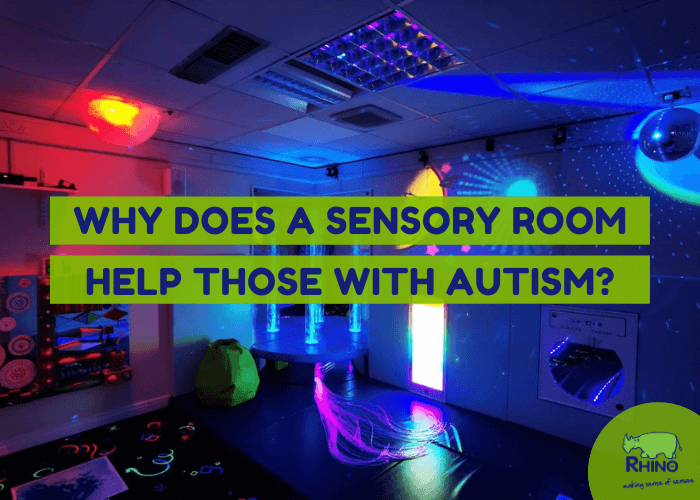

Bedrooms are safe havens for sleep, comfort and relaxation. But did you know that 80% of children with autism struggle to get a restful night’s sleep, leading them to feel tired, irritable, and vulnerable to sensory overloads?
According to the National Autistic Society, one reason why autistic people struggle to sleep is ‘sensory differences’ – e.g. increased sensitivity to light and sounds. Because of this, we believe it’s really important to design bedrooms around your child’s sensory preferences.
Keep reading to find out how you can create the perfect sensory bedroom for autism.

Mapping Out Your Sensory Bedroom
Nowadays, bedrooms aren’t only used for sleeping. They also double as playrooms, study rooms and social spaces. And while it’s great to have a multi-functional space, it can quickly become a chaotic jumble of stimuli.
To combat this, we recommend that you map out your bedroom. It’s a simple and effective way of organizing chaotic bedroom stimuli to create a balanced sensory space. See our top room-mapping recommendations below:
- Sleep: Keep your bed away from doors (noise) and windows (light), and so one side of the bed runs along a wall (for positioning)
- Study: If you have a desk, place it under or next to a window to make the most of the daylight (visual stimulation).
- Play: Make sure toys can be easily tidied away into storage containers. It’s even better if the containers are transparent so you can see what’s inside them.

Sensory Bedroom Ideas
As we touched on above, there are a lot of considerations to take into account when coming up with sensory bedroom ideas (whether for autism, other forms of neurodivergence, or for any other reason). Sleep, play, study and relaxation spaces are all areas to take into account when planning your bedroom. Design details such as layout, lighting, colour, sounds and smell should also be given some thought. Read on for our top sensory bedroom ideas:
Create a Calm Sleeping Space
Sleep is the key role of a bedroom so it’s important to get the sleeping space right in a sensory bedroom (or any other bedroom for that matter). A sensory bed is the cornerstone of a sensory room sleeping space. The bed and bedding needs to be comfortable (e.g. soft and breathable for most people) and designed with colours that the child or adult finds calming. Consider keeping the bedding consistent with the rest of the design of the room to make for a predictable environment.
Other ways to ensure that the sleeping space is calm include:
- Installing blackout blinds or curtains to minimise light
- Including a dimmable, or other, bedside light
- Keeping toys and other stimulating equipment away from the bed and sleeping area
- Enclosing part of the bed (e.g. with a canopy or fabric tent) if the person feels comfortable in enclosed spaces
Sensory Beds (for Autism and Other Neurodivergent Traits)
Choosing a sensory bed is a key consideration when putting your sensory bedroom ideas into practice. A sensory bed is a bed or sleep space designed to provide additional sensory input and a greater sense of security and comfort for the person using it. They can be particularly useful for children and adults who seek sensory input, become overwhelmed by their environment, or find it difficult to settle and sleep.
Depending on the person’s needs, a sensory bed may be in an enclosed space, have soft, textured fabric and/or be augmented with a weighted blanket. The aim of a sensory bed is to make the sleeping space relaxing and comfortable so should match the sensory needs of the child or adult sleeping in it.
At Rhino Sensory, we offer a range of sensory bed solutions including waterbeds, mattress covers, vibrating pillows and weighted blankets.

Build a Dedicated Sensory Corner
Building a dedicated sensory corner, or area, is an ideal way of installing a collection of sensory delights for a child or adult to retreat to and enjoy when they need less stimulation or specific types of stimulation. Consider the following when coming up with sensory corner ideas:
- Beanbags for comfort and calm
- Crash mats for safe and active play
- Dark tents, dens and huts for immersive, enclosed spaces
- Body socks for creative movement and sensory fun
- Soft rugs for comfort and play
- Stuffed animals (e.g. our Amazon Macaw puppet) for imaginative sensory play
Choose Lighting Carefully
The best ideas for the perfect lighting in your sensory bedroom will be highly dependent on the needs of the person using it. Some children and adults will require calming light while others will need highly stimulating lighting such as flashing, colour-changing and bright lighting. Key sensory bedroom lighting ideas include:
- Warm white bulbs or cool/blue-white bulbs depending on the person
- Dimmable lamps for calm, controlled light
- Slow-changing LED lights for sensory stimulation
- Fibre-optic lights for stimulation and soothing
- Lava lamps and bubble tubes for stimulating movement and lighting
- Projectors for entertaining stimulation
- Night lights for calming and high-quality sleep

Install Stimulating Sound Equipment
Similarly to lighting considerations, the audio requirements of your sensory bedroom will depend on the needs of the person using it. For children and adults requiring a calmer, quieter spaces, effective equipment could include:
- Thick curtains, large rugs and soft furnishings for absorbing sound and adding comfort
- Acoustic wall and ceiling panels for sound absorption
- White-noise machines for masking sudden or disruptive background noises and creating a relaxing environment
- Fans for cooling, heating and consistent sound
- Speakers for calming music and sounds
- Noise-reducing headphones (kept somewhere accessible) for blocking noise and playing calming sounds
For those looking for audio stimulation, some effective ideas include:
- Keyboards, drums and chimes for creating sounds and music
- Headphones for playing stimulating music and sounds
- Audio kits for a range of sound stimulation
- Sound and light panels for audio and visual stimulation
Add Tactile Experiences
Tactile experiences are those related to the sense of touch. They are an important consideration when designing a bedroom for a person with autism and other neurodivergent traits. Consider including some of the following in the room to offer positive tactile experiences:
- Squishy toys
- Fidget toys
- Textured balls
- Sensory cushions
- Soft and fluffy fabrics
- Smooth stones
- Tactile books
- Kinetic sand
- Sensory boards
Consider Options for Movement
Equipment that allows for movement is ideal for many sensory seekers. There are a lot of movement equipment options for such cases. Of course, safety is paramount so please ensure that the equipment is suitable, is installed correctly and that the environment is safe.
Movement equipment for a sensory bedroom could include:
- Indoor swings
- Therapy balls
- Crash mats
- Mini trampolines
- Climbing equipment
- Hanging chairs
- Balance boards
- Exercise mats

Embrace Smell
How a room smells is important for all of us but people with autism and other neurodivergent traits can be particularly sensitive to smells. For some people, a neutral smell is ideal because it is not over-stimulating. In other cases, a favourite smell can help a person feel at home, calm and relaxed.
When considering your design for a sensory bedroom, think about these options for influencing smells:
- Aroma diffusers
- Reed diffusers
- Essential oil diffusers
Prioritise Predictability
A strong need for predictability can be a core trait for people with autism. As such, predictability can be just as valuable as the sensory equipment installed in a sensory bedroom. To maintain predictability, consider the following:
- Assigned spaces, or zones, for specific activities e.g.:
- Sleep zone
- Activity/movement zone
- Creative zone
- Relaxation/retreat zone
- Dress & storage zone
- Etc.
- Avoid regularly rearranging the room and its items
- A visual bedroom routine (e.g. on a light board)
Give Control
Similarly to predictability, control is an important factor for adults and children with autism and other neurodivergent qualities. It is important to ensure that a person has control in their own space rather than feeling like activities are imposed on them. The implementation of independent spaces, or zones, allows a person to choose how they enjoy their bedroom and its equipment. It is also important to choose the right equipment, rather than installing too much equipment, to allow the person to choose from what they like rather than feeling overwhelmed by options and clutter.
Advice for Installing Your Sensory Bedroom (for Autism & Other Neurodivergence)
Read on for our advice when installing a sensory bedroom.
Sensory Bedroom Colours
We’ve spoken before about which colours are best for a sensory room. And our advice isn’t too different when you’re decorating a sensory bedroom for autism.
Neutral, cool colours are best for walls. Greens, blues, and purples are all calming shades that provide just enough stimulation to regulate visual senses. Beiges, greys and darker creams can also create calming atmospheres.
However, you should avoid bright colours (reds, yellows, whites) and patterned wallpapers as they are highly stimulating. They’re more likely to alert your senses, which is the last thing you want to do before winding down for bed.

What about Wall Padding?
Wall padding is a practical way to make your bedroom soft, safe and accessible for those with a higher scope of need.
Our wall padding is tailor-made by our in-house upholstery team and comes in a range of calming colours that look great on sensory bedroom walls.
Our most popular bedroom padding colour is ice blue, but we’re also big fans of lavender, cream and sand. Discover more about our padding colours in our handy colour guide.

Lighting
Lighting is an effective way of instantly transforming your bedroom into a relaxing sensory paradise. The soft glow from sensory lights is distracting but not overstimulating, making it a simple tonic for bedtime meltdowns and scary monsters who lurk under the bed.
Simple sensory lighting solutions include:
- Install LED Wall Wash strips across the tops of bedroom walls to bathe them in a calming sensory glow.
- Add Fibre Optic Carpet to a wall or a Fibre Optic Curtain around your bed so that you can enjoy their twinkling, starry night effect.
- Shine a Sensory Projector onto the wall beside your bed to create a slow-moving, distracting dreamscape.
It’s also essential to protect your bedroom against any external light. As a source of light that you can’t control, external lights, like the sun or a streetlamp, can cause unwanted simulation and make it harder to get to sleep.
We’d recommend investing in a blackout blind or blackout curtains so that you can control the room’s brightness.

Sensory Dens
Sensory dens are a simple solution for calming senses and avoiding meltdowns. They provide a personal and controlled environment away from outside stimuli to self-regulate senses and emotions.
Whether it’s a pop-up space or a corner of the room, we think sensory dens are an important element for sensory bedrooms for autism because of the sense of self-confidence they can build in individuals.
Another thing we love about sensory dens is how easy they are to make (see how to build a sensory den here). We recommend these four items when you’re creating a sensory den:
- Cosy Cushions: You want your den to be as comfortable and comforting as possible. Cushions are nice to sit on, lie on, and cuddle with.
- Ear Defenders: They’re super effective at blocking out noise, which can be one of the most over-simulated senses.
- Fidget Toys: Simple and effective anxiety relievers, perfect for distraction and calming.
- Soft Lighting Effects: Soft mood lighting can transform dark dens into immersive calming zones. Whether that’s from the distracting twinkle from fibre optics or a calming view from a sensory projector.
We hope that you find the information in this blog helpful. If you’d like more information about our sensory services or our sensory bedroom designs, book an appointment with our sensory team. They can help you plan your room, suggest products suited to your needs and budget, and offer expert sensory advice.
Further Information
- Download: Our our free funding guides
- Explore: Use our cost calculator to build your dream sensory room and see how much it might cost
- Book: A free sensory room design appointment