
5 Things We Learned From The Paediatric Dental Health Conference


In March, we were invited to attend the British Society of Paediatric Dentistry’s Study Day in Cardiff.

Dr Rohini Mohan, Swansea Bay’s Clinical Lead for Community Dental Services, invited us to listen to her presentation about caring for patients with sensory difficulties.

Over the past year, Rohini and her colleague Bethan Morgan have been conducting a study into the use of sensory resources in making treatments more accessible for younger patients with special needs, autism and sensory processing difficulties. One of our Sensory Voyagers has been a key part of her study, and Rohini was keen for us to bring one to the conference so her colleagues could see its sensory magic in person.

We had a fantastic day at the event. And to make sure you don’t miss out, we’ve put together the top 5 things we learned from Rohini’s presentation.

1. Hospital settings are naturally overwhelming environments.

Everyday spaces we take for granted can be sensory nightmares for children with sensory issues.

Hospitals, with their bright lights, white walls, busy corridors, and odd smells and sounds, create an unusually overstimulating environment that can be difficult for people with sensory processing issues to digest.

“Unknowingly, we have been hampering how we deliver care to children who experience sensory issues,” Rohini explained. “Sensory environments within hospitals are out of our control. We should be doing more to make our treatment environments accessible.”

2. We like to talk about inclusivity, but are we always being inclusive?

Making treatment environments more accessible for patients with sensory processing issues is crucial to inclusivity. Although Bethan was keen to point out that “other barriers to dental care can make it difficult for autistic patients to receive treatment.”

These include cognitive and physical disabilities, difficulty with communication, and anxiety, which is one of the main issues in access to dental services, especially for people with learning difficulties.
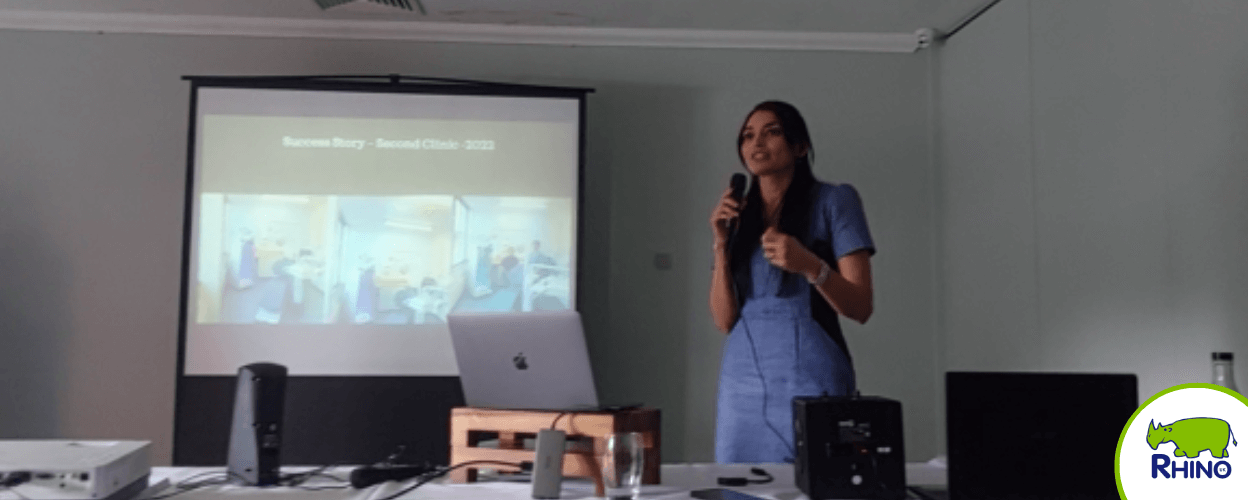
Rohini Delivers Her Presentation

3. Thank You, Wendy Sparkle!

After catching sight of one of our portable Sensory Voyager trollies wheeling around Bridgend Hospital, Rohini came up with the idea to use the Sensory Voyager to calm and relax patients before their treatment.

Wendy Sparkle, one of the hospital’s play specialists, explained to Rohini what the Voyager was, what it could do, and how it would be helpful for children with additional needs.

Rohini asked if she could borrow it, and Wendy agreed, kickstarting Rohini’s big inclusive sensory experiment.
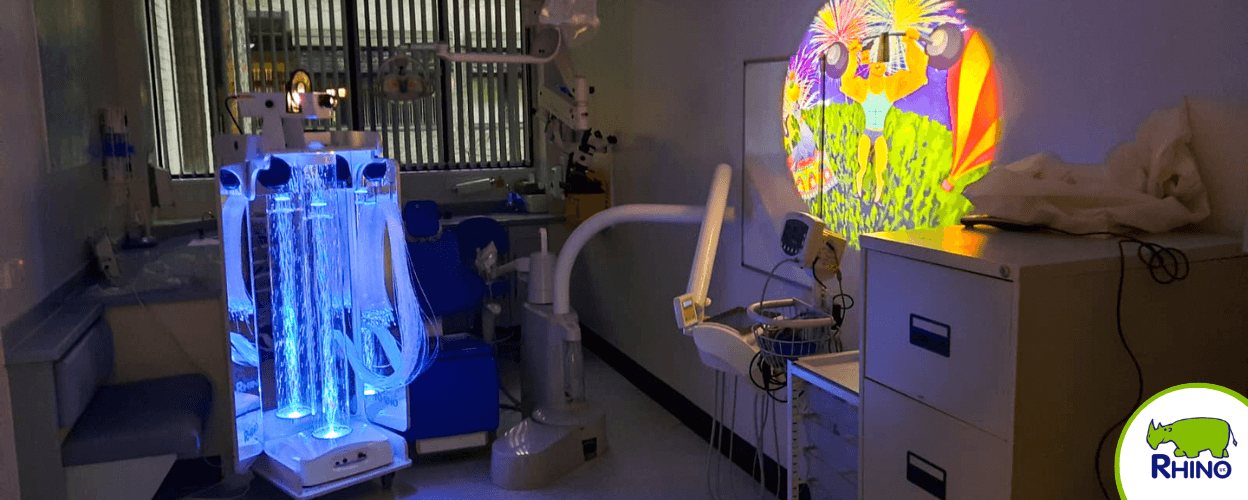
Sensory Voyager in Dental Treatment Room

4. The Sensory Voyager ‘Worked Like Magic’

After using the Sensory Voyager in her clinic for just over a year, Rohi and her team concluded that the sensory trolley had made a hugely positive impact on the levels of care they could provide to children with additional needs.

“Our patients were so focused on the voyager, they didn’t get too agitated, and they were happy to sit around and play with the fibre optics, watch the lights, watch the bubbles go up and down – it was amazing.”

  • Anxiety from patients in the waiting room went from yellow and red (highly anxious), to green (calm) during treatment.
  • 96% saw a change in their behaviour/ feelings when using the sensory unit, and 100% said it was a positive change.
  • 91% completed their treatment, and 100% felt like the sensory Voyager played a part in that success.
  • 100% would like to use the Voyager in the future.

5. A Sensory Success Story

Since completing their study, Rohini and her team have adopted another Sensory Voyager trolley. So now they have two twinkling units rolling through their clinic!

At the end of the day, we just want to make everybody’s lives easier. Ours, the parents, and the patients,” Rohini explained.
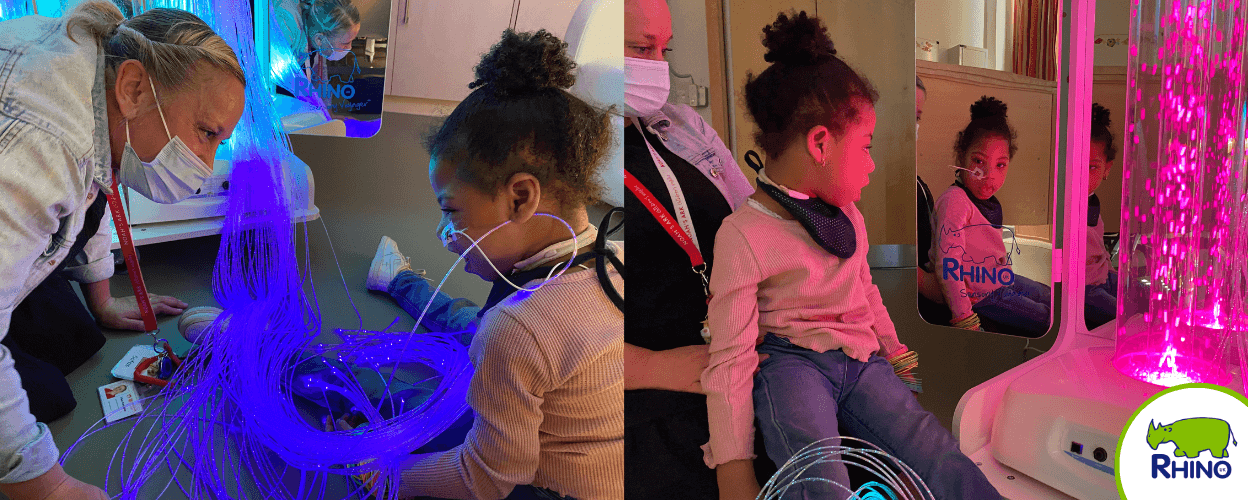
Young Child Plays with the Sensory Voyager

Rohini and her team will be conducting more research into the clinical use of Sensory Voyagers in treatment settings to expand their studies and explore the broader consequences of using sensory as a therapeutic distraction method.

And we can’t wait to see how far the Voyager’s magic can flow!

Find out more about our portable Sensory Voyagers. And if you have any questions about the use of sensory equipment in treatment clinics, make sure you get in touch with a member of our friendly sensory team 🙂
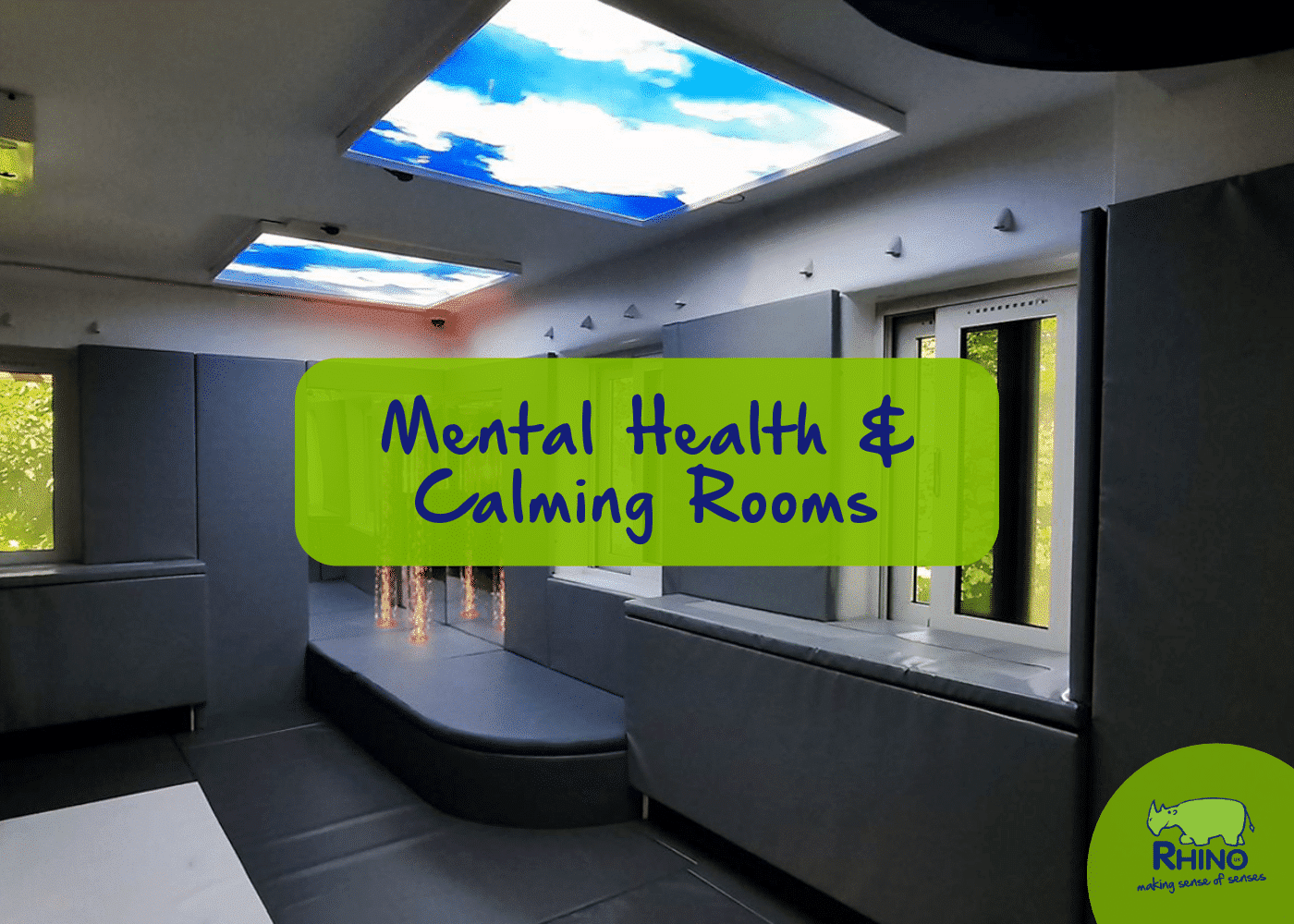
Mental Health And Calming Rooms


There is so much more to the world of ‘Sensory’ than people may originally think. A ‘Sensory Room’ is an umbrella term used to categorise a variety of sensory spaces designed to positively impact special needs and disabilities.

Recently, it has become increasingly apparent how beneficial sensory rooms can be for people with mental health issues. Schools, care units, prisons and mental health centres have started to incorporate sensory designs into their environments.

Calming Rooms are the most popular sensory room in Mental Health Environments.


What Is A Calming Room?

The main purpose of a Sensory Room is to create an environment where everyday distractions are removed, and relaxation and concentration are encouraged. Unlike a Sensory Room, a Calming Room’s main objective is not to stimulate but to provide a gentle road to mental escape in a safe and secure environment.

Creating an environment where self-regulation is encouraged and rewarded.


When To Use A Calming Room

There are two important things to remember when it comes to the Calming Room. First, only use a sensory room before or after a crisis, NEVER during! Second, each room is designed for personal, one-on-one staff-to-client engagement—not room for big social groups.


The Benefits Of A Calming Room

  • Creates a safe space
  • Facilitates a therapeutic alliance
  • Increases the ability to self-nurture
  • Increases resilience
  • Increases self-esteem and body image
  • Increases the ability to engage in meaningful life roles
  • Increases the ability to engage in social activities
  • Increases ability to cope with triggers


Ways to use a Calming Room

  • Proactively to prevent a crisis situation
  • Responsively after a crisis to de-escalate and problem-solve
  • For Self Regulation


Seclusion Methods vs Multi-Sensory Therapies

Over the years, there have been many debates and different opinions surrounding seclusion methods and multi-sensory therapies. Here are a few points to consider:

Seclusion Isolates:

  • The patient spends less time in education (classroom/social environment)
  • They are often left triggered, and very little is learned
  • The message is, “I am alone, and I have to deal with this situation all by myself.”
  • Creates more frustration, anger, irrational thoughts and behaviour

Multi-Sensory Engages:

  • Sensory calming rooms engage both the staff and the user physically and cognitively.
  • It teaches positive social skills over time.
  • The message is, “this person wants to help me at my worst time, I have a choice on how to deal with this moving forward, and I will try and take control of my own emotions.”
  • Improves engagement in education in and out of the sensory room


How Can You Recognise Early Warning Signs Of A Meltdown?

  • Do you know your clients’ low-level cues?
  • How do you normally respond to them?
  • Do you think your response affects escalation?

Start making mental notes of early warning signs to better prepare yourself for when to intervene to prevent further escalation.


Calming Room Resources

It is important that your Calming Room incorporates a mixture of the following resources to suit a number of user needs and to stimulate mentally and physically:

Click on the links to view the products in more detail.

  • Pea Pod, a deep-pressure inflatable pea pod, creates a secure, calming and relaxing experience for a user.
  • Body Sox users can voluntarily climb inside this suit, which gently resists their movements, encouraging the exploration of movement.
  • Body Roller provides deep pressure therapy as the user crawls between the rollers, squeezing out tension.
  • Protac Sensit Chair, inside the chair are weighted balls that send impulses to the central nervous system, soothing muscles and minds.

Mental Health covers a wide spectrum and there are so many different therapies and sensory solutions available to help. It can be difficult to decide which sensory support would be best for your service users. This is where we can help! With over 40 years of experience creating a wide variety of sensory environments our sensory team have the skills and knowledge to help. Get in touch for more information!

Speak to an expert