


Mobile sensory rooms and portable sensory equipment help make sensory support more accessible for those who need it. They eliminate the need for a permanent sensory space while offering a safe, flexible, and accessible sensory room alternative.
Carry on reading to find out more about portable and mobile sensory rooms, and how they might work for you. If you’re looking for more information or advice, get in touch with our friendly sensory team!
What Is A Portable Sensory Room?
A portable sensory room is a temporary area or a collection of portable resources you can use to create a pop-up sensory space wherever or whenever you need it.
They come in a wide range of designs and applications, from literal sensory rooms on wheels (like our Sensory Trailer) to easy-to-carry storage tubs of calming sensory resources.
Choosing the right portable resource that meets the needs of the space and your end-user matters.
What’s The Difference Between A Sensory Room And A Portable Sensory Room?
A sensory room is a permanent fixture in a school, hospital or home that acts as a hub for sensory regulation, discovery and play.
Portable Sensory Rooms are flexible. They can be mobile sensory rooms on wheels (like our handy Sensory Trailer), a temporary sensory room (like our pop-up dens), or a curtained-off corner with a few sensory resources that can be quickly assembled to provide a calming space for sensory regulation.
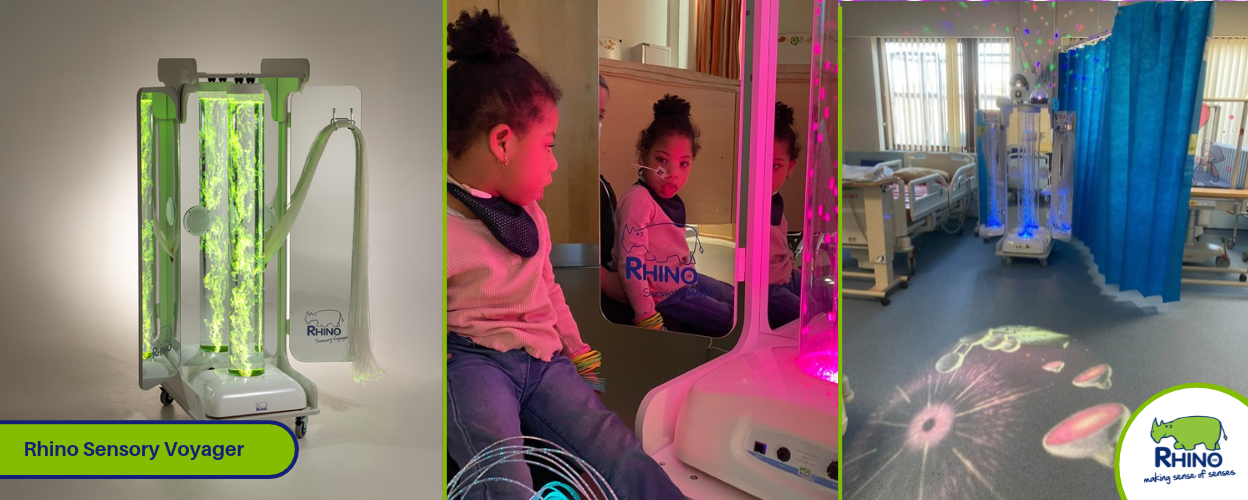
Or you can use the concept more holistically: instead of a physical sensory space, you can use a collection of portable resources to create a temporary sensory area (e.g. bringing a Sensory Voyager trolley to a hospital bedside).
When choosing between the two, it’s important to consider who will be using the space and what their needs are.

What Are The Main Benefits Of Portable Sensory Rooms?
They’re Space-Saving
Portable sensory rooms don’t take up any space. You can build them and pack them away after one session, giving you the flexibility to create and play as you wish.
So, if you don’t have the space (or the budget) for a permanent sensory room, portable resources could be a great place to start.
They’re Accessible
If you’re an individual with limited mobility or in an environment with strict infection control policies, you might struggle to access traditional sensory spaces. Portable sensory resources address accessibility issues by bringing a sensory experience to an individual without the need for movement or causing disruption.
Who Uses Mobile Sensory Rooms?
Anyone who needs to regulate their senses can use portable sensory rooms, including individuals with autism and similar additional needs. They’re also suitable for a wide range of sensory environments, including schools and hospitals, because of their space-saving, easy-to-clean designs.
Do You Have Any Examples Of How Mobile Sensory Resources Are Used In Practice?
Because of their portability, mobile sensory resources are especially useful for individuals who may have difficulty moving or are bed-bound. For example, our Sensory Voyager Trolleys are popular on busy hospital wards, as they can be wheeled to patients at their bedside, offering comfortable, accessible respite.
Schools also use mobile resources as a quick, effective way to de-escalate students who may be experiencing sensory overload. By quickly assembling a sensory den or taking a child into a Sensory Trailer, you can reduce overwhelming sensory input and help the child relax and re-regulate their senses.
After discovering the overwhelming need for portable sensory spaces, our sensory team built our very own Sensory Trailer (a literal sensory room on wheels). Since its launch in 2023, we’ve travelled the country visiting schools, charities, The Open, the MotoGP, and several businesses, offering a calming space for visitors, guests and staff to discover their senses and the magic of sensory. It’s just a start, but we believe it’s an important foundation to our commitment to making sensory safe and accessible for everyone.
How Can I Make My Own Portable Sensory Space?
Creating your own portable sensory space is a simple process: consider who you’re trying to help, what resources suit them best, and your budget – and we can start building from there.
Would a sensory trolley be best for you? A one-stop shop for all your essential sensory elements. They have a small physical footprint, require one 13amp plug, and are very easy to clean and maintain.
Are you looking for something more tactile? Then try one of our tactile resource trunks, filled with all the tactile resources you might want on the go. And if you don’t have the budget, they’re easy to make yourself: simply find a tub and fill it with your favourite tactile resources.
Or do you want to create a pop-up sensory environment? If so, we’d recommend our sensory dens. Dark, dreamy and perfect for quietly inspiring imaginations, they’re great for calming and self-regulation.
Looking For More Inspiration?
If you’re not sure where to start or would like sensory support in creating a portable sensory room that meets your needs, then get in touch with our friendly sensory team! They’re always on hand to provide the very best design advice and product recommendations.
- The Rhino Sensory Trailer: rhinouk.com/rhino-sensory-trailer
- Sensory Voyager Trolley: rhinouk.com/sensory-voyager-trolley
- Portable Sensory Equipment: rhinouk.com/sensory/portable-sensory-equipment